
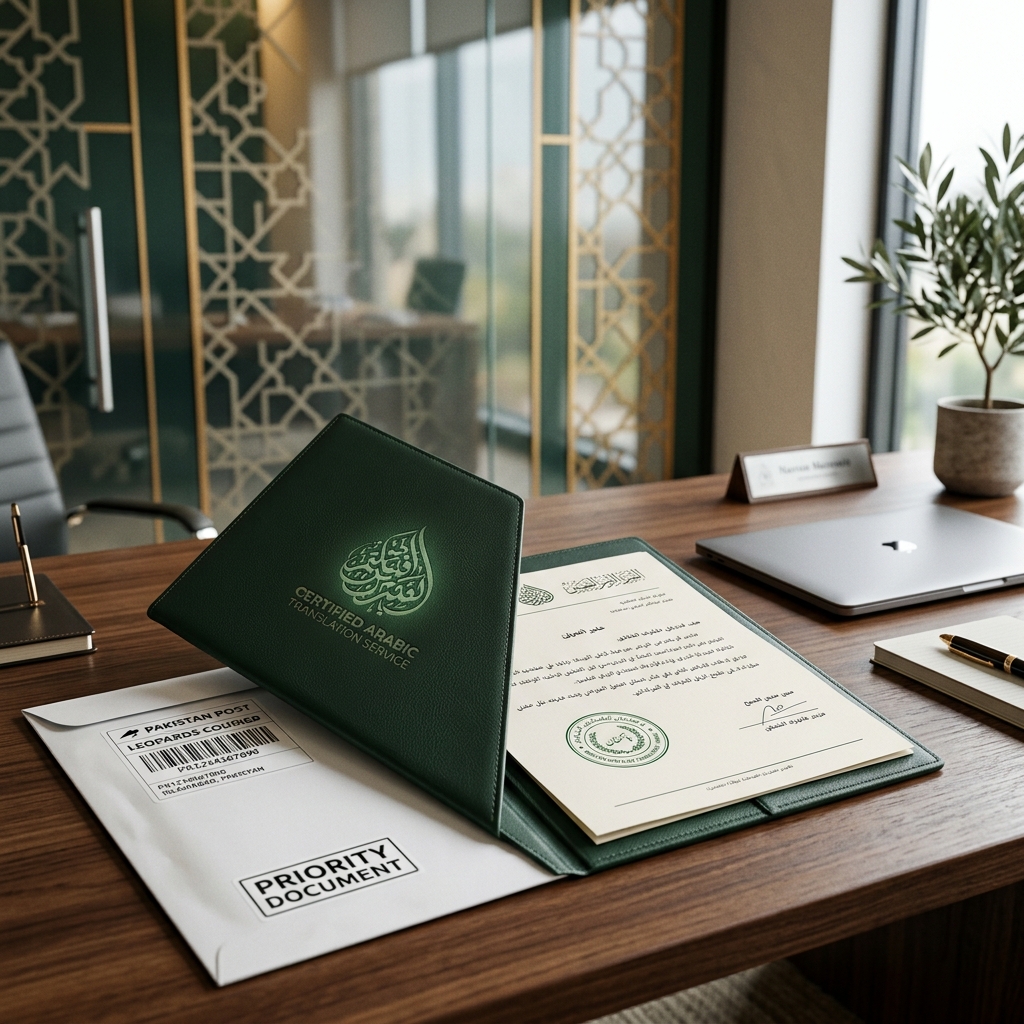
Applying for a Saudi visa, scholarship, university admission, or embassy process can quickly become stressful when document translation issues appear at the last moment. Many Pakistani applicants face rejection not because their original documents are invalid, but because the Arabic translation format is incorrect, names do not match passports, or certification requirements are missing.
That is why finding a reliable Saudi embassy approved translation service in Pakistan is critical. A professionally translated and certified document reduces rejection risks, protects your application timeline, and ensures your paperwork meets strict Saudi Ministry expectations.
In this guide, you will learn why Saudi translation rejections happen, what makes an embassy accepted Arabic translation format, and how professional Arabic translators help applicants avoid costly mistakes.
Why Saudi Embassy Rejects Incorrect Arabic Translations
Saudi authorities and universities carefully review translated documents. Even a small error can create delays, objections, or outright rejection. This is where most applicants lose valuable time and money.
1. Missing Stamps and Signatures
One of the biggest reasons for rejection is incomplete certification. Many applicants unknowingly submit translations without official credentials.
Saudi authorities often reject documents that appear unofficial or unverifiable. An embassy-compliant translation must include:
- Official translation agency stamp
- Authorized translator signature
- Formal certification statement of accuracy
- Proper office contact details and physical address
- Date of translation
2. Wrong Arabic Terminology
Saudi documentation requires formal, professional Arabic terminology. Poor translation services often make critical errors:
- Relying on literal Google Translate outputs
- Misinterpreting legal wording and affidavit terminology
- Translating educational titles or course names incorrectly
- Using weak, conversational Arabic sentence structure
Academic and legal Arabic must follow professional standards. Incorrect wording can create immense confusion for reviewing officers.
3. Unofficial Translators and Fake Certifications
Pakistan’s translation market has many providers making unverified "embassy approved" claims. Low-quality providers often supply:
- Fake verification stamps
- Generic templates that do not match the source document
- Grammatically weak, non-professional Arabic
- Uncertified layouts and machine-translated text
Applicants frequently discover these problems only after their application is rejected, leading to wasted embassy fees and missed deadlines.
4. Formatting and Compliance Mistakes
The embassy accepted Arabic translation format matters more than most people realize. Common formatting problems include:
- Incorrect page structures and misaligned tables
- Missing official translator declarations
- Arabic text alignment and reading order issues
- Inconsistent layouts compared to the original English/Urdu files
- Incomplete or poorly formatted certification sections
[!WARNING] “A single formatting or certification mistake can delay or disqualify an entire Saudi visa or scholarship application. Do not compromise on translation quality.”
What Is an Embassy Accepted Arabic Translation Format?
Most applicants do not know what Saudi authorities actually expect. An embassy accepted Arabic translation format includes several key professional compliance elements:
Certified Stamp and Translator Declaration
Professional translations must be accompanied by an official declaration on the letterhead of the translation agency, affirming that the translation is a true, accurate, and faithful rendering of the original document. This must be backed by the translator's official stamp, signature, and license/registration numbers.
Official Letterhead and Formatting
Saudi-compliant translations must appear clean, organized, and authentic. This includes:
- Use of the official translation agency letterhead
- Proper spacing, margins, and vertical alignment
- Formal Arabic typography and styling
- Consistent, readable bilingual layout (if applicable)
Original Document Matching
Translated documents should accurately reflect the design of the original file. Reviewers compare files side-by-side. Names, birthdates, issue dates, board seal references, and roll numbers must align perfectly with your passport and degree details.
Which Documents Need Saudi-Compliant Arabic Translation?
Depending on your application type, different sets of documents must be translated into certified Arabic:
Educational Documents
Students applying for fully funded programs or university admission must translate their academic files:
- Matriculation / Secondary School certificates
- Intermediate / Higher Secondary certificates
- Bachelor's and Master's Degrees
- Official transcripts and detailed marks certificates (DMC)
- Equivalence certificates (HEC or IBCC)
[!TIP] Ensure your academic translations follow professional academic terminology. Check out our dedicated Degree Translation Services for more details.
Legal and Family Documents
For family visas, residency applications, or travel processing:
- Nikah Nama (Urdu Marriage Contract) – See our Nikah Nama Translation page
- Birth certificates – See our Birth Certificate Translation page
- NADRA Family Registration Certificates (FRC)
- Affidavits and declarations
- Divorce or death certificates
Visa and Immigration Papers
- Passport bio pages (to match spelling records)
- Police Character Certificates – See our Police Character Certificate page
- Medical reports and health clearances
- Employment letters and professional experience certificates
Commercial and Business Documents
Businesses and corporations require legal Arabic translation for corporate compliance:
- Commercial contracts and joint venture agreements
- Commercial invoices and financial statements
- Company registration certificates and articles of association
- Import/export paperwork and customs documentation
Why Applicants in Pakistan Face Translation Rejections
The primary cause of rejection for Pakistani applicants is trusting low-quality or unregistered translation offices.
- Machine Translation Problems: Google Translate fails to understand legal and academic context, resulting in literal, disjointed translations.
- Incorrect Arabic Names: Non-professional offices often misspell names. Minor differences like Muhammad vs. Mohammad or Rehman vs. Rahman can prevent identity verification and cause rejections.
- Non-Certified Translation Offices: Unregistered agencies lack the authority to issue certified declarations. Their stamps carry no legal weight with the Saudi Embassy or MoFA.
- Low-Quality Speed-Focused Agencies: Cheap providers prioritize speed over quality, leading to typos, formatting mistakes, and incorrect terminology.
How Lisan.pk Handles Saudi Embassy Translation Requirements
Lisan.pk is a premium, specialized translation agency in Pakistan that focuses heavily on Arabic translation for Saudi-related submissions. We assist students, visa applicants, and businesses nationwide.
Certified & Signed Arabic Translation
Every translation delivered by Lisan.pk features an official certification statement, professional translator signatures, and registered company stamps. Our translations align 100% with Saudi embassy expectations and MoFA attestation requirements.
Nationwide Courier Delivery Across Pakistan
You do not need to visit our offices physically. Through our online document submission portal, applicants from all cities can access our premium services. We offer fast, secure courier delivery directly to your doorstep in:
- Punjab: Lahore, Rawalpindi, Faisalabad, Multan, Sialkot, Gujranwala, Sargodha
- KPK: Peshawar, Abbottabad, Mardan, Kohat, Swat
- Sindh: Karachi, Hyderabad, Sukkur
- Federal & Azad Kashmir: Islamabad, Mirpur, Muzaffarabad
Urgent Processing for Scholarship Deadlines
Are your portal deadlines closing? Lisan.pk provides same-day and 24-hour urgent translation services. We deliver certified, stamped PDFs directly to your inbox so you can upload them to the Saudi Scholarship Portal without missing the deadline.
WhatsApp Document Submission Support
For immediate assistance and instant quotes, you can share clear scans or photos of your documents directly with our translation team via WhatsApp.
External Resources for Applicants
- Saudi Ministry of Education (MOE) — Unified international student rules.
- Saudi Ministry of Foreign Affairs (MOFA) — Attestation and visa regulations.
- Study in Saudi Arabia Platform — Main portal for university admissions.
Need Certified Saudi-Compliant Arabic Translation?
Get your documents reviewed by certified translation experts. Contact us today to receive an instant quote:
Order Certified Arabic Translation on WhatsApp: +92-328-8155866
Request a Free Translation Quote Online
Need Expert Help with Your Documents?
Our Saudi scholarship consultants are ready to assist you with certified translations and attestation requirements. Get a response in minutes.
Written by Lisan.pk Editorial Team
Expert consultant at Lisan.pk specializing in international document legalization and translation services.
Related Articles
Bachelor Scholarship Applications 2026: Complete Document Requirements Checklist
Are you applying for an undergraduate Saudi scholarship? Learn the exact document checklist, certified Arabic translation rules, and verification steps required before the September 16, 2026 portal opening.
TranslationMaster's Scholarship Documents Guide 2026 – Complete Preparation Checklist
Are you applying for a Master's or PhD scholarship in Saudi Arabia? Learn the complete graduate document checklist, research file formatting, and certified Arabic translation requirements for the 2026 cycle.
TranslationEnglish to Spanish Translation Services in Pakistan: Your Complete Guide to Certified Approval
Get expert English to Spanish translation services in Pakistan. Fast, embassy-approved certified translations in Lahore, Karachi, Islamabad, & more.